Teaching videos
Relationships between Unknowns
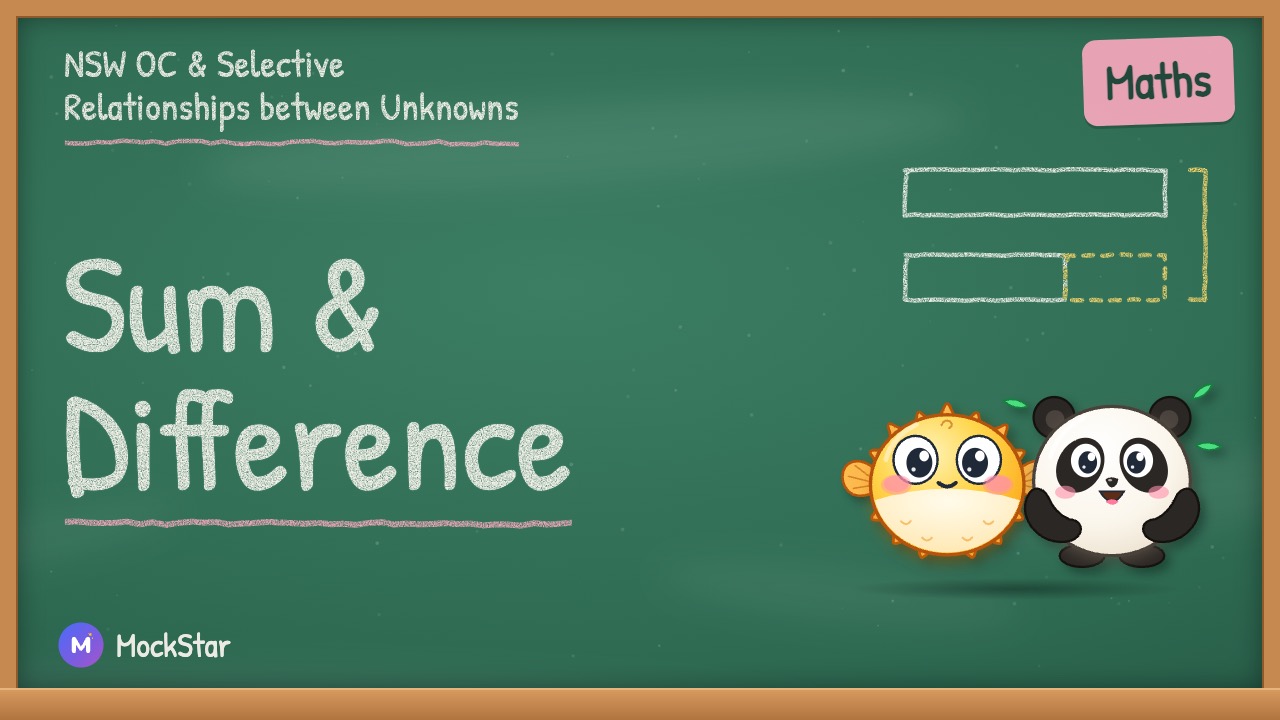
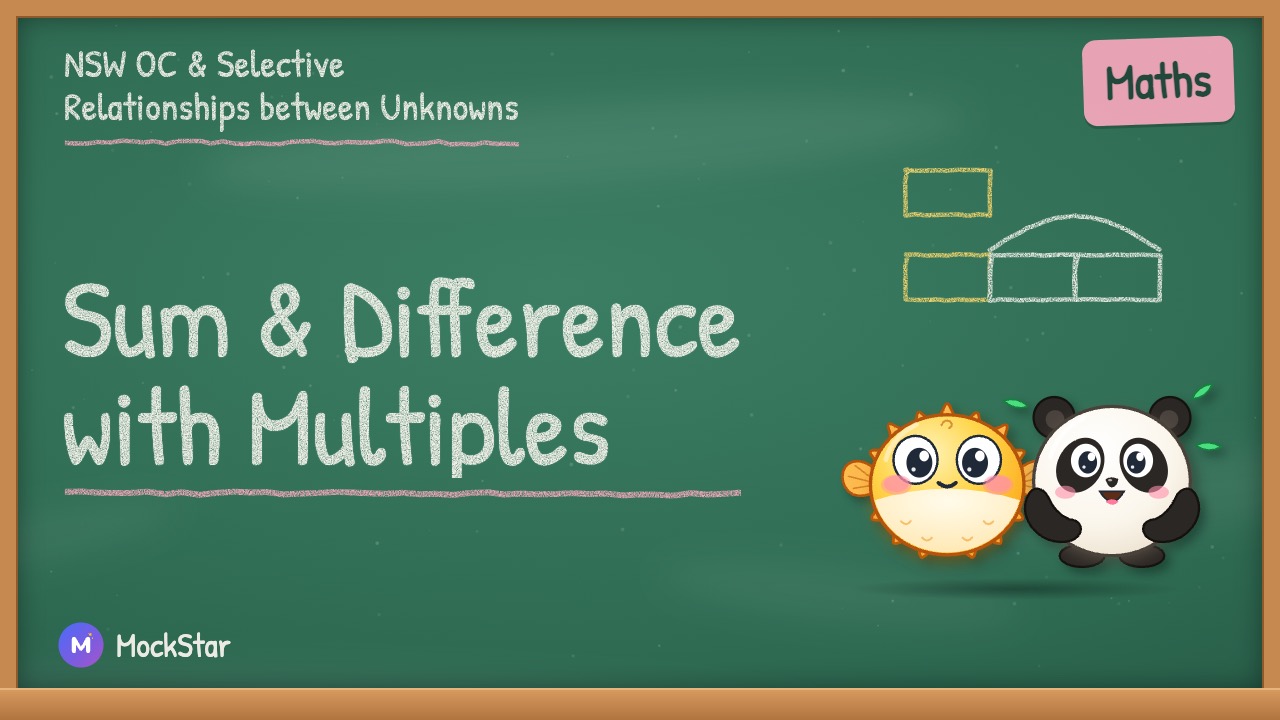
One stroke per sentence: draw a bar model to sort out how the unknowns relate, then move step by step to shorter symbols.
 Episode 19:49
Maths
Relationships between Unknowns: Sum and Difference Problems
 Episode 29:47
Maths
Relationships between Unknowns: Sum and Difference with Multiples
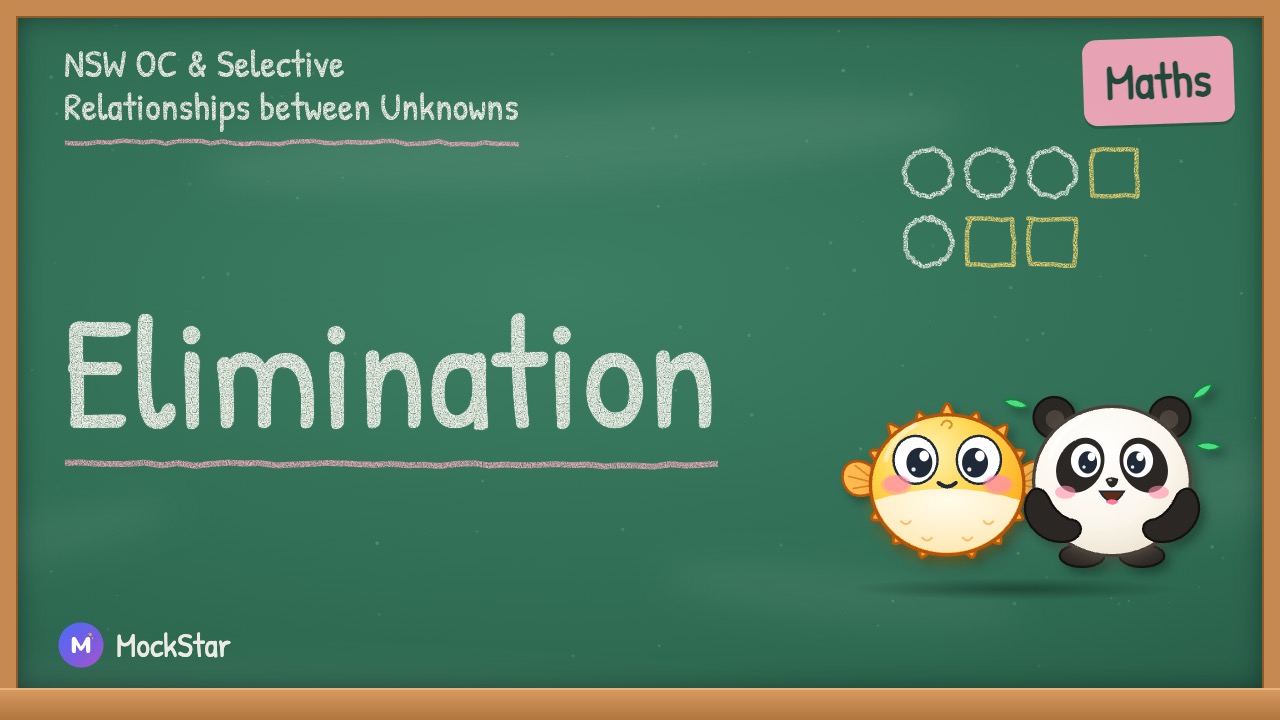 Episode 35:59
Maths
Relationships between Unknowns: Elimination
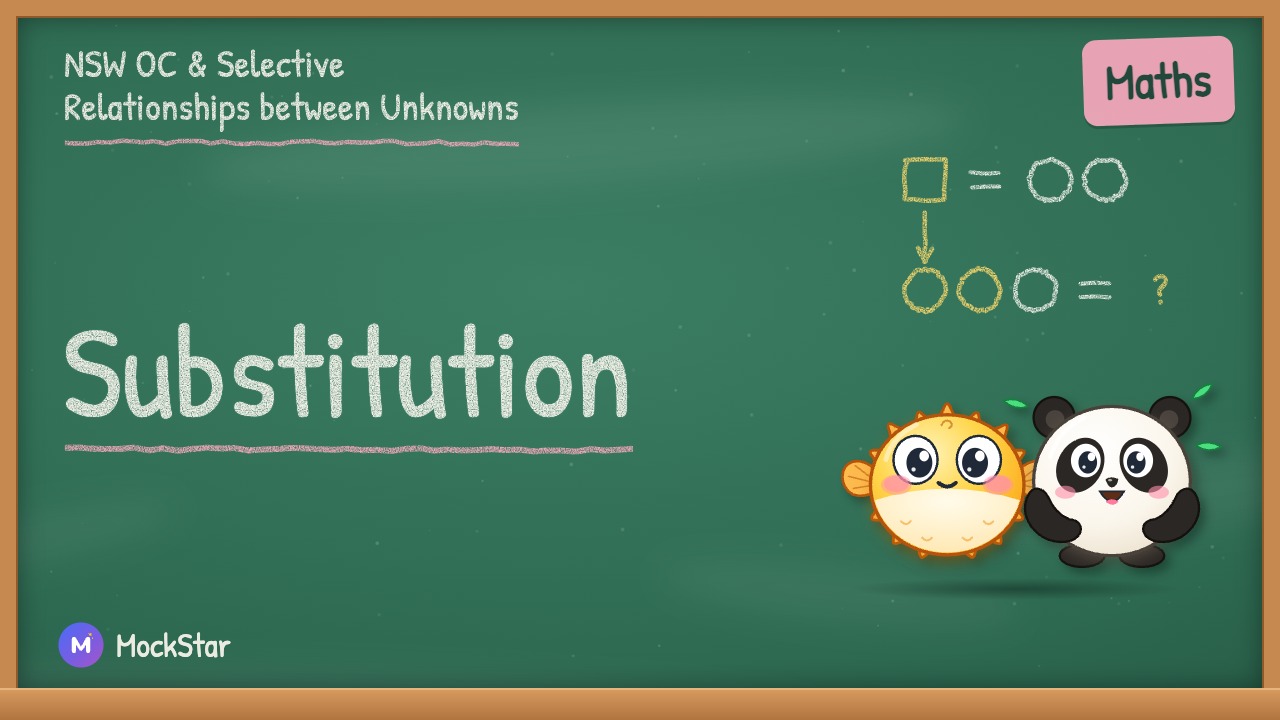 Episode 44:24
Maths
Relationships between Unknowns: Substitution
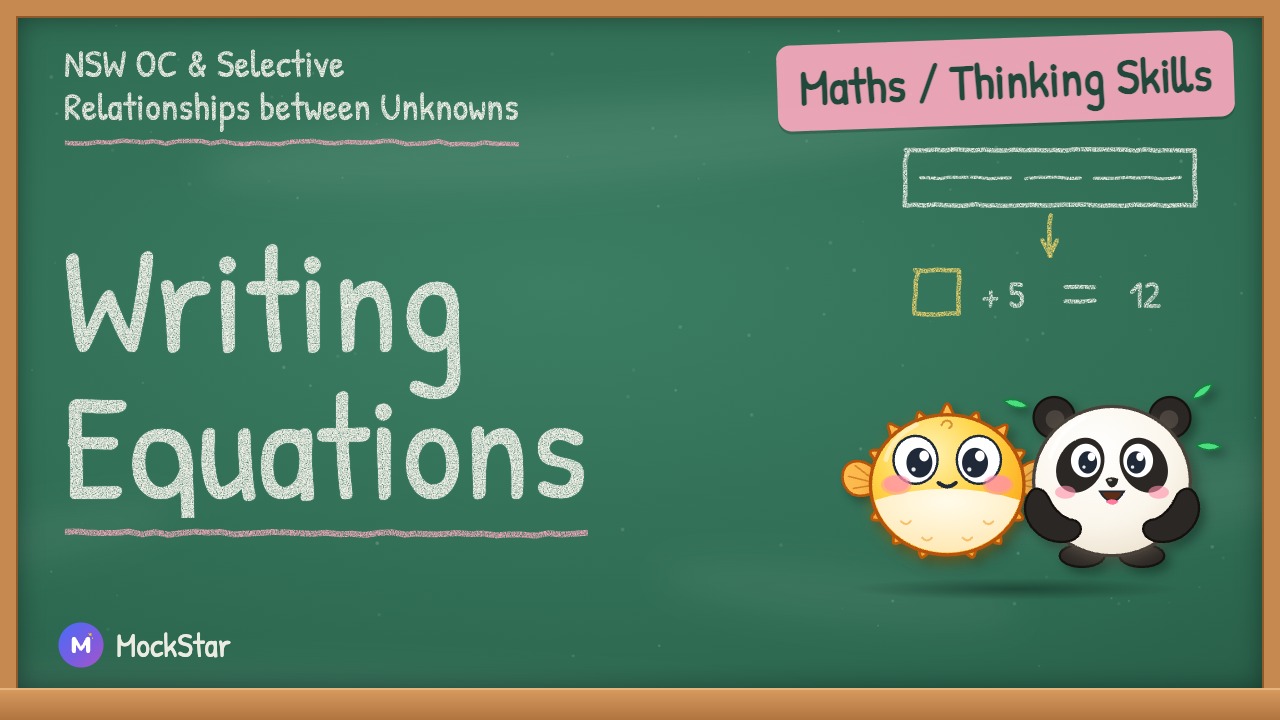 Episode 55:46
Maths · Thinking Skills
Relationships between Unknowns: Writing Equations
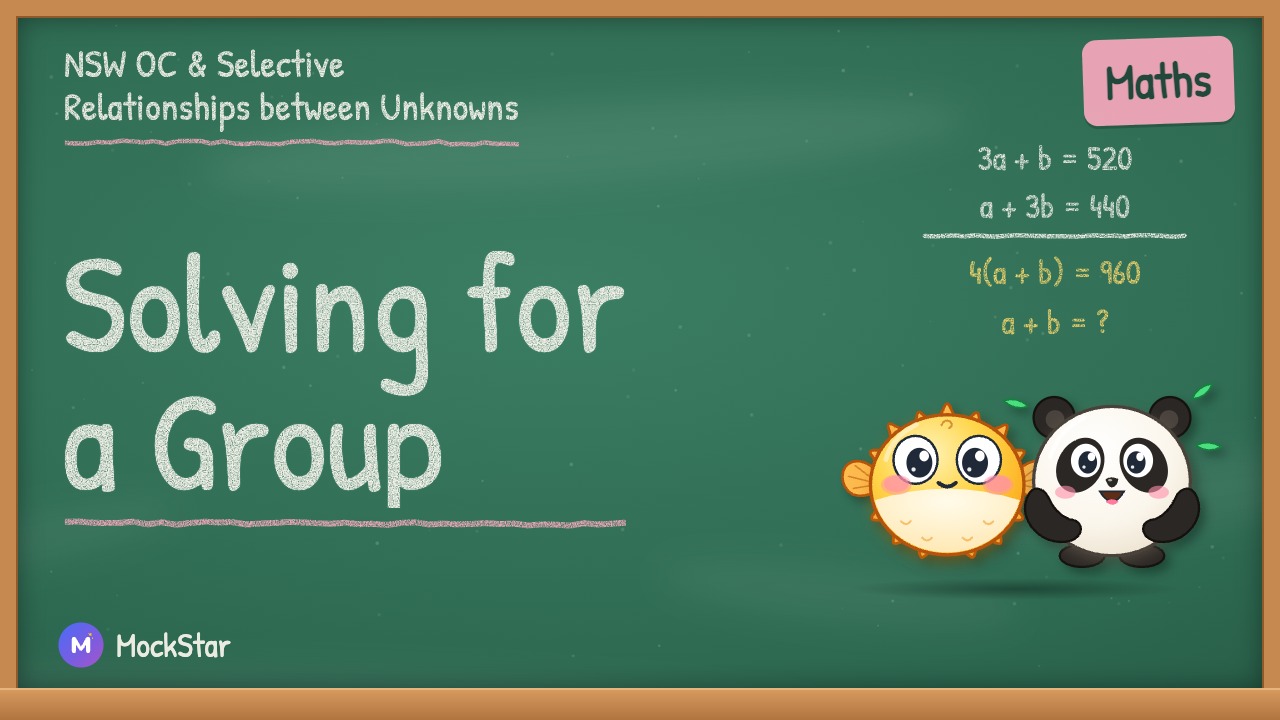 Episode 64:18
Maths
Relationships between Unknowns: Solving for a Group
Know Without Trying
No need to try every case: push to the extreme and the answer shows itself.
Off by One
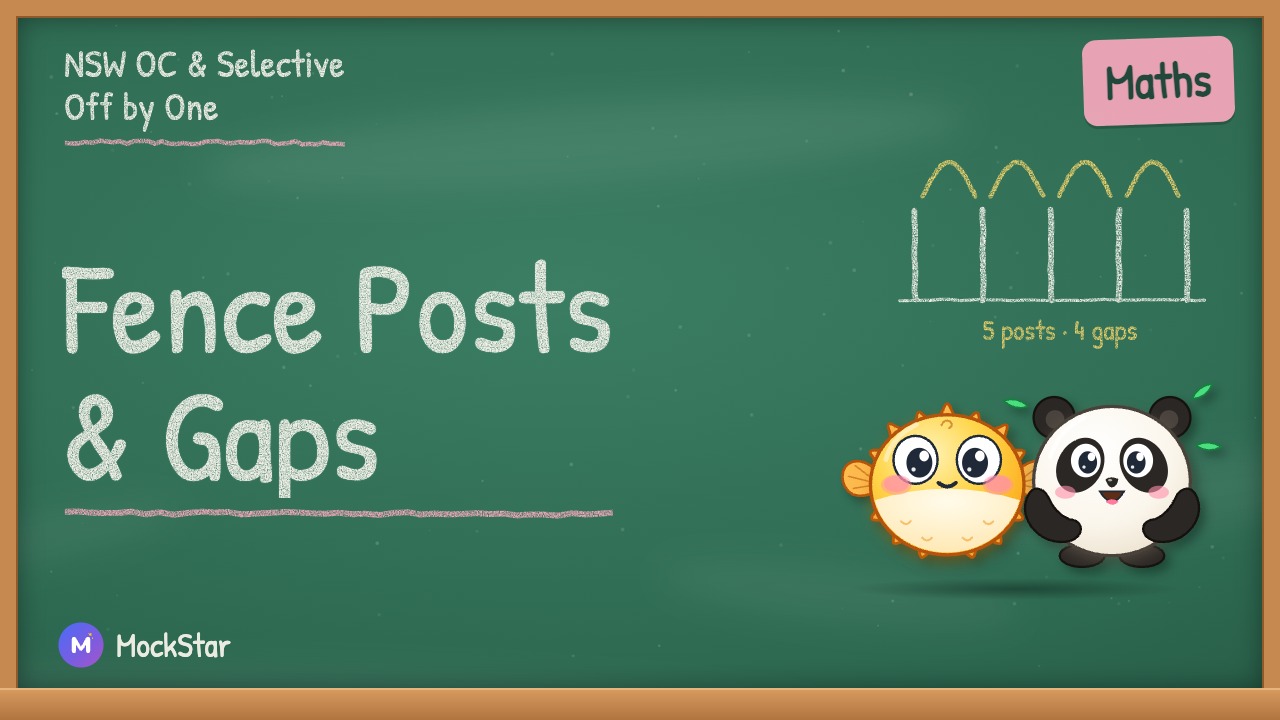
When a question spaces things out or leaves a few over, stop and decide: are you counting points or gaps, and does the leftover need one more?
Cycles and Time
Drop the whole cycles, jump the whole units, and only count what is left over. When several things share the time, draw each as a bar, then see how the bars meet.
 Episode 15:59
Maths · Thinking Skills
Cycles and Time: Repeating Patterns
 Episode 25:12
Maths
Cycles and Time: Totals over Cycles
 Episode 36:30
Maths
Cycles and Time: Calendars
 Episode 45:41
Maths
Cycles and Time: Elapsed Time
 Episode 53:55
Thinking Skills
Cycles and Time: Overlapping Time Periods
 Episode 64:11
Thinking Skills
Cycles and Time: Time Spans
Convert to the Same Kind
Things measured differently can't be worked on together: change them to the same unit or the same clock, then add, subtract or compare.
Fractions and Ratio
Split the whole into equal parts: find one part first, then scale up.
 Episode 19:24
Maths
Fractions and Ratio: Parts of a Whole
 Episode 29:01
Maths
Fractions and Ratio: Comparing and Counting Fractions
 Episode 39:31
Maths
Fractions and Ratio: Area Fractions and Scale Factors
 Episode 410:46
Maths · Thinking Skills
Fractions and Ratio: Pie Charts
 Episode 56:58
Maths
Fractions and Ratio: The Unitary Method
Data and Graphs
Read the rules of a graph first: work out what one space or one picture stands for, then read the values.
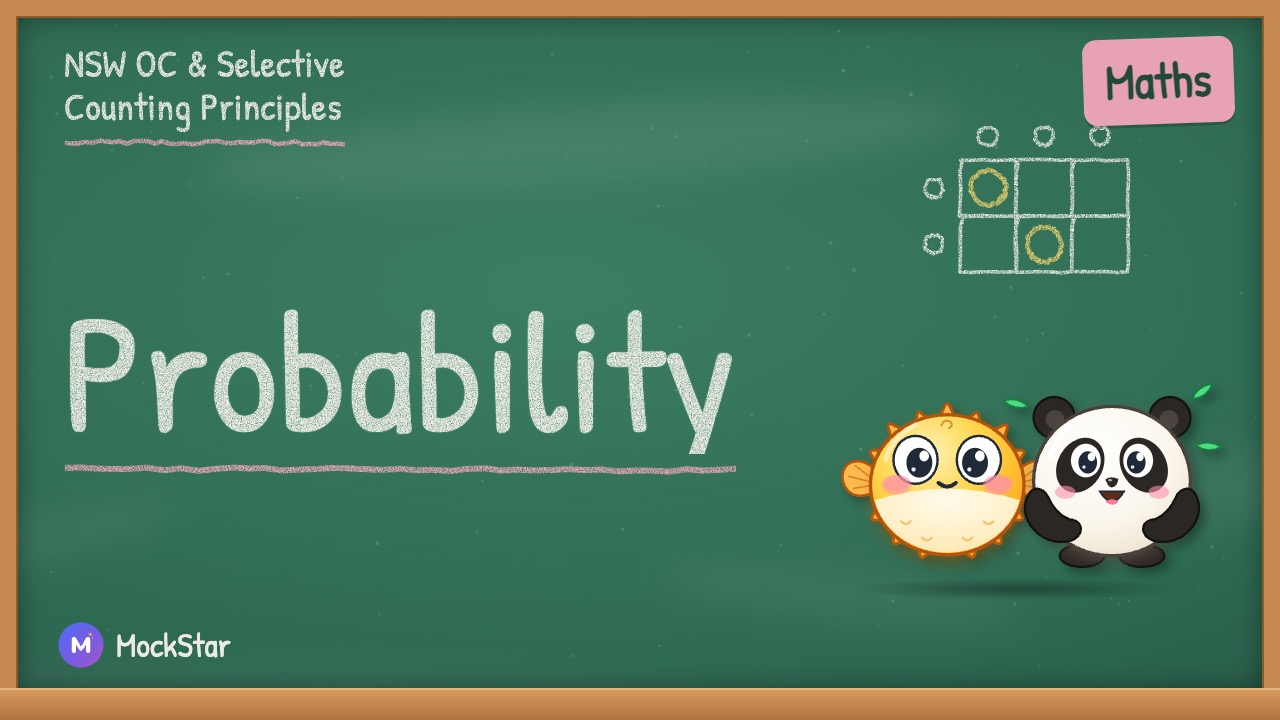
Counting Principles
List in order so nothing is missed, decide whether to add or multiply, take out anything counted twice, then use the counts to find a probability.
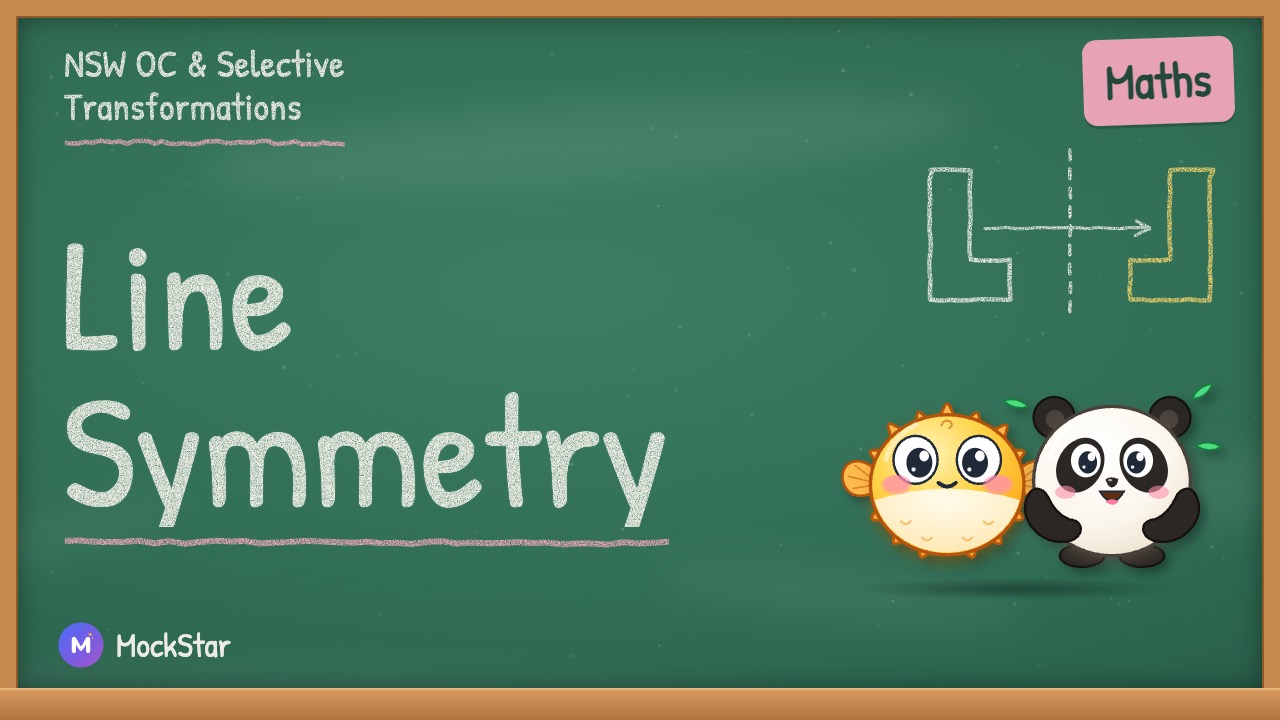
Transformations
Treat the line of symmetry as a mirror: every piece has a partner on the other side.
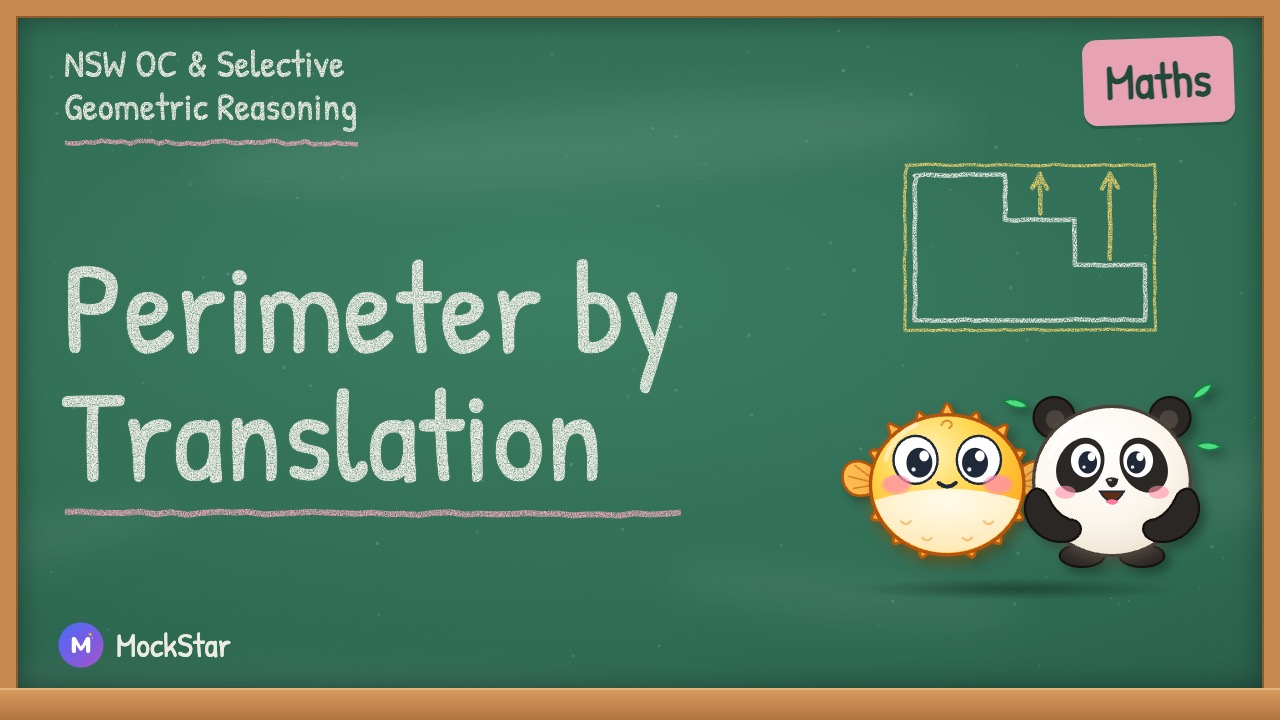
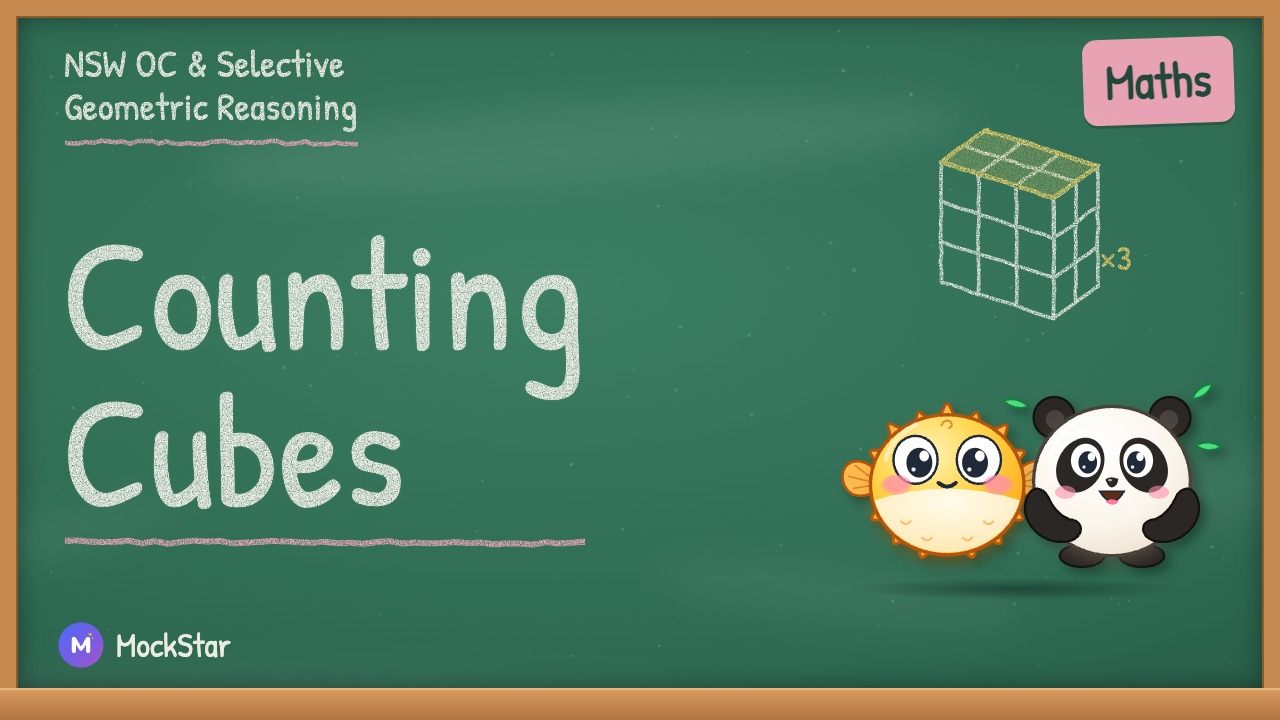
Geometric Reasoning
Before reaching for a formula, move edges and split shapes to see what you really need.
Number Properties
Use properties such as factors and multiples instead of trying numbers one by one.
Spatial Reasoning
Follow one thing on paper: what you see, where it goes after a turn or a flip, where a face lands when folded. Don't turn the whole shape in your head.
 Episode 15:50
Maths
Spatial Reasoning: Compass Directions
 Episode 26:59
Maths · Thinking Skills
Spatial Reasoning: Position and Routes
 Episode 35:45
Maths · Thinking Skills
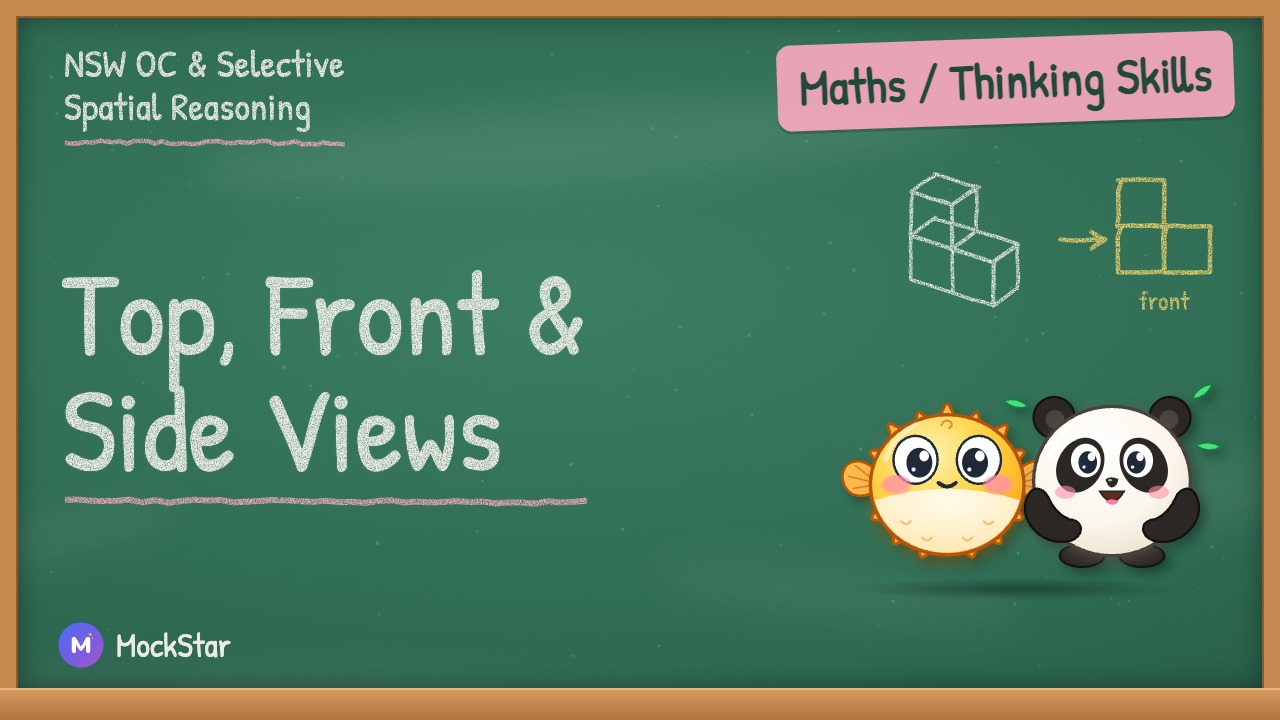
Spatial Reasoning: Top, Front and Side Views
 Episode 45:11
Maths · Thinking Skills
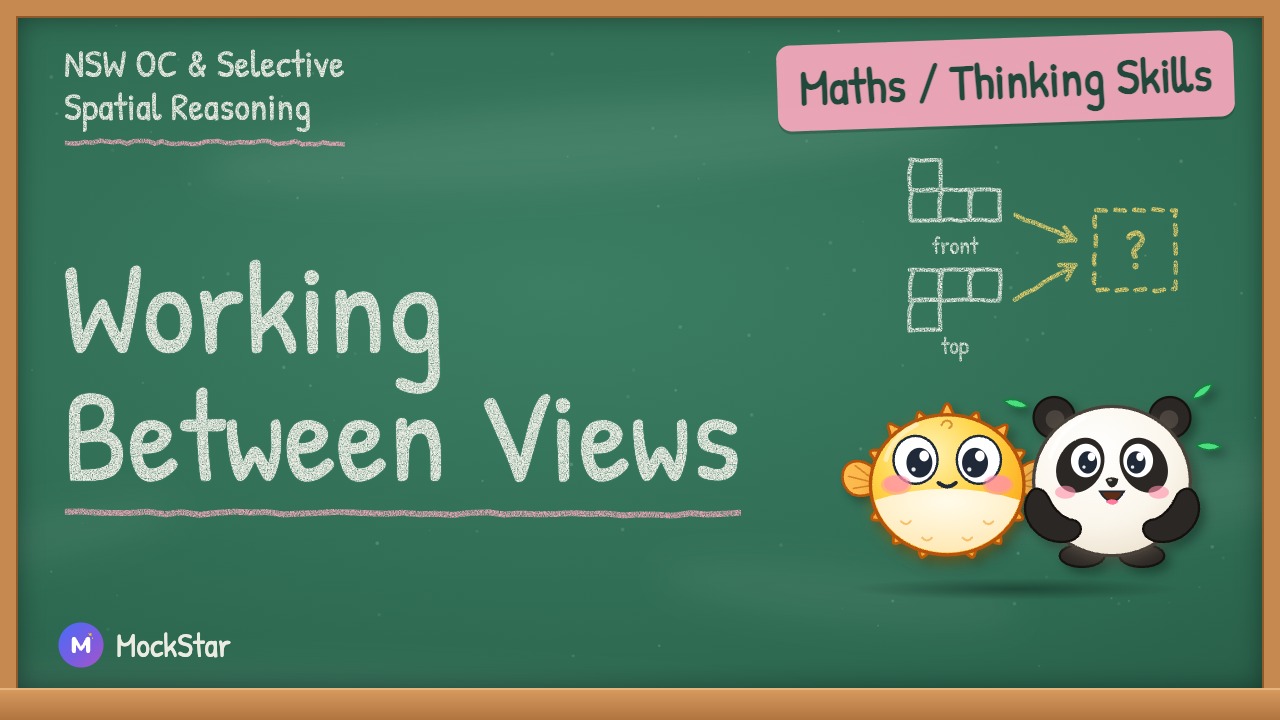
Spatial Reasoning: Working Between Views
 Episode 54:25
Maths · Thinking Skills
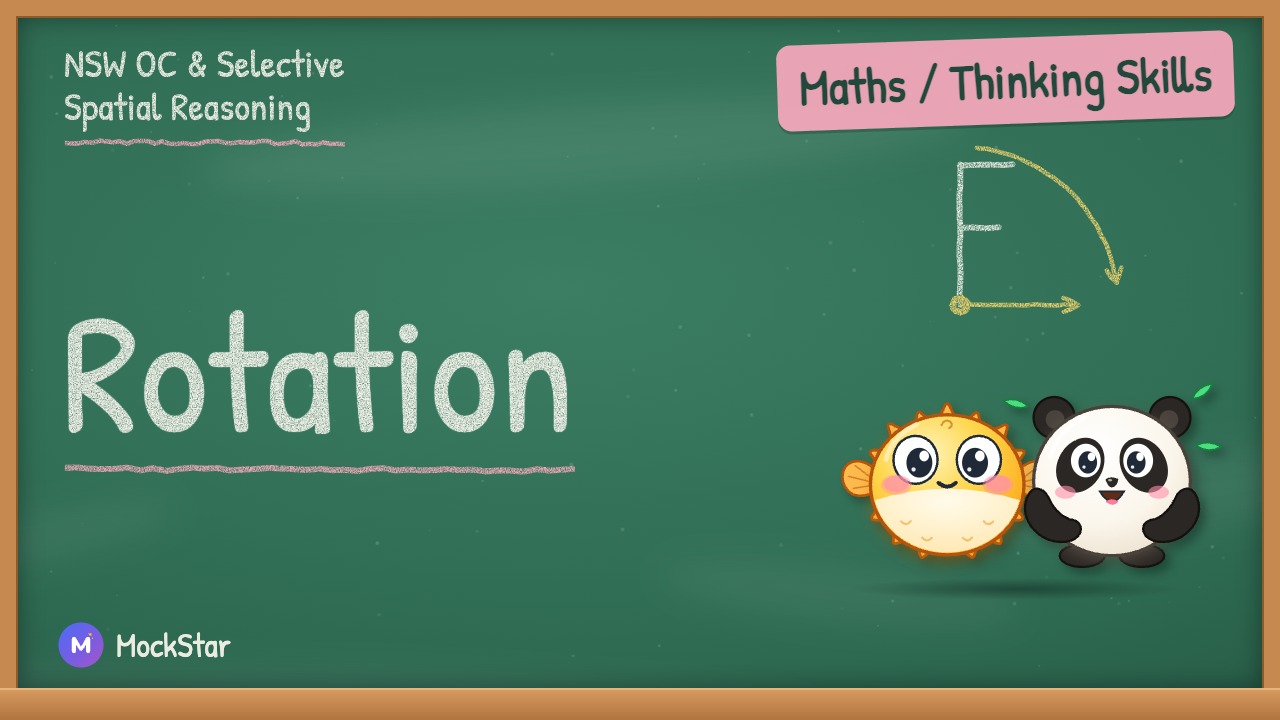
Spatial Reasoning: Rotation
 Episode 63:41
Maths · Thinking Skills
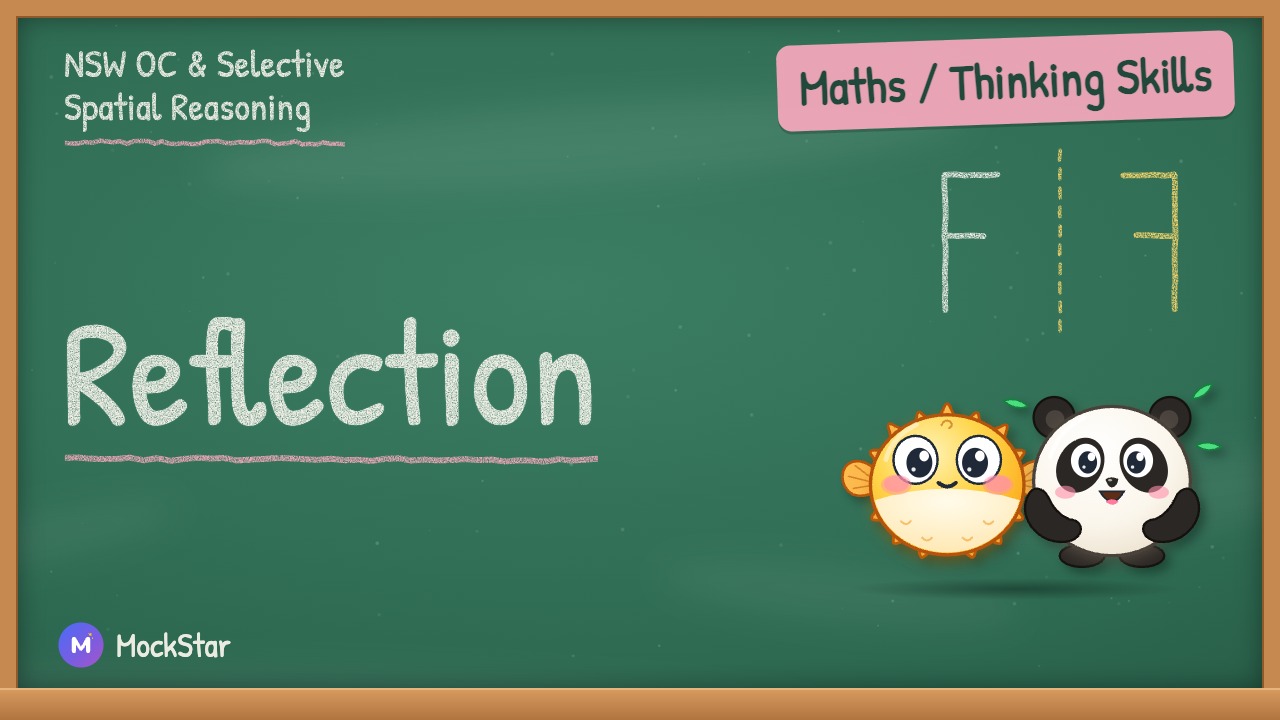
Spatial Reasoning: Reflection
 Episode 74:27
Maths · Thinking Skills
Spatial Reasoning: Rotational Symmetry
 Episode 810:43
Maths · Thinking Skills
Spatial Reasoning: Nets and Folding
Problem-Solving Strategies
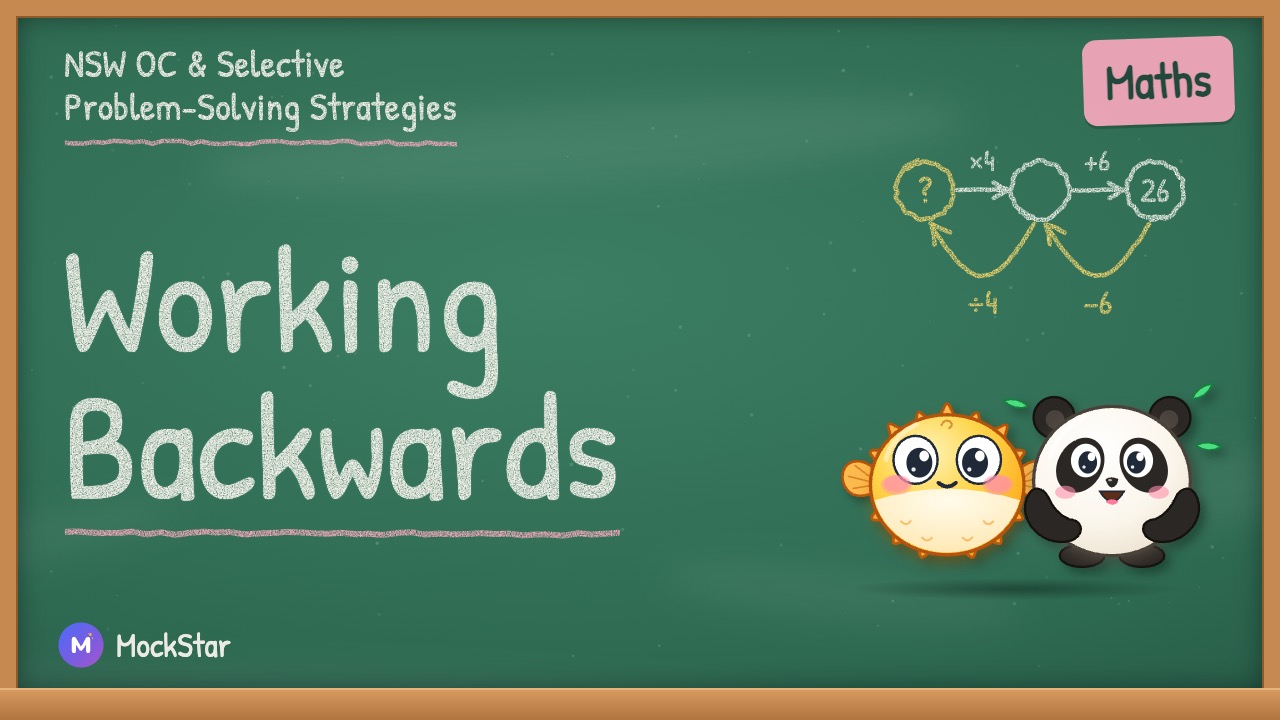
Write the facts down first, then pick the strategy that fits and follow it step by step: when you know the end and need the start, work backwards from the last step.
Conditional Reasoning
Draw each condition as an arrow and only follow it forwards; when that stalls, list every case and look for a counterexample.
Argument Analysis
Say what the speaker wants to prove, then find the gap between reason and conclusion: filling it strengthens, widening it weakens.
 Episode 18:32
Thinking Skills
Argument Analysis: Strengthening
 Episode 28:23
Thinking Skills
Argument Analysis: Strengthening with Evidence
 Episode 38:28
Thinking Skills
Argument Analysis: Identifying Flaws
 Episode 49:00
Thinking Skills
Argument Analysis: Weakening
 Episode 59:51
Thinking Skills
Argument Analysis: Strengthening and Weakening
Logic Puzzles
Draw the boxes or seats, place the fixed ones first, then rule things out clue by clue. With codes, work back from the answers.
Reading Habits
Read widely and read closely: build volume first, then work through one text in depth.
Gap-Fill
Read the whole text first and skip the gaps; if there is a little word, find what it points back to and which way it turns; if not, follow the meaning and the argument; check the extra option last.
Cloze
Work from the first gap down and knock words out in four steps: read past the gap, check the pattern, say it the English way, compare meaning and tone.
Matching Info
Read all four extracts first and write one line for each. Then for each question, find the key words, pick a locator word, find the echo in the text, and check the sentence.
Narrative
For every question, find the evidence in the text before you look at the options. Read feelings from what people do and say, watch the small words, and rule out any option with one extra idea. With two extracts, check each one.
Poetry
Read the poem sentence by sentence, following the punctuation. Work out what is compared to what, and who is speaking. Say what really happens first, then see how far the question asks you to go.
Writing Assessment
Know what the marker looks for: answering the task comes before fine words.
Writing Forms
Every form has its own shape: recognise its layout and who it is for, then build it part by part in that form's order.
Writing Style
Find the reader, choose the level of formality, and hold it from start to finish.
Writing Conventions
Check every sentence with three questions, close it with the right punctuation, then split and swap the words that sound alike.
Writing Content
Start from the task to pick ideas that fit and link, then develop each point fully; in a story, slow down the moment that matters.